



Books That Protect Children
On World Book Day 2026, Freedom Charity is sharing why World Book Day safeguards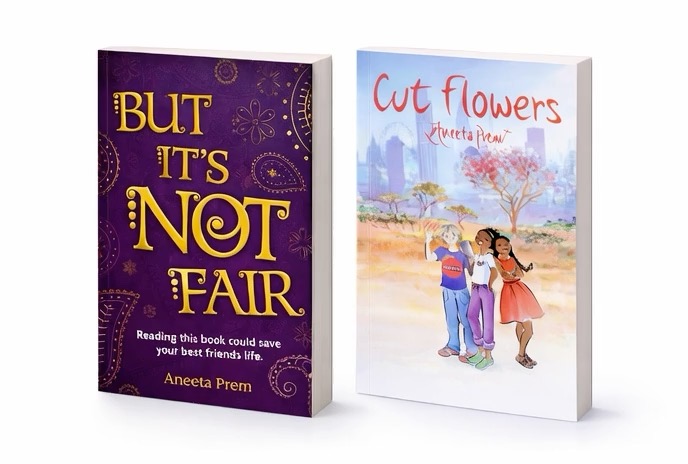 books that protect children
These books help pupils recognise forced marriage and female genital mutilation earlier, and they show that help exists.
For some children in the UK, the first book they ever own is not a fairy tale. Instead, it is a story that explains coercion and control in a way they can understand. Because of that, World Book Day safeguarding books can become a quiet form of protection.
Freedom Charity has donated more than 100,000 copies of two safeguarding novels, But It’s Not Fair and Cut Flowers, to schools and youth settings across the country. Teachers use them in lessons. Pupils take them home. Friends share them.
Aneeta Prem, founder of Freedom Charity and author of the novels, says school visits remain central to the charity’s work.
“I love going into schools and meeting students, especially around World Book Day. Donating books to children is a core part of what we do. I am still shocked that for some children, one of my books is the first book they have ever owned. Books are not a luxury. They are part of a child’s development and confidence.”
She adds, “When a child has a book in their hands, it can give them the words for what they are living through. In the right moment, that knowledge can help a child speak to a trusted adult and stay safe.”
World Book Day: Safeguarding Books, but it’s Not Fair
But It’s Not Fair explores forced marriage through a school friendship story. It shows how pressure can build over time. It also explains the difference between arranged marriage and forced marriage in clear terms.
Teachers often use the story within PSHE lessons because pupils can discuss the characters safely, without being forced to disclose anything about themselves. You can also access the supporting resources via the Freedom Charity PSHE lesson plans page. (Add internal link.)
World Book Day safeguarding books: Cut Flowers
Cut Flowers follows Katie and Sophia. After receiving summer homework, Katie travels to meet family members. However, something feels wrong. She uncovers a hidden family history and starts to understand the risk facing herself and her cousin.
The story addresses FGM through narrative rather than shock. As a result, it helps young readers understand that bodily autonomy is a right, not a privilege.
Why World Book Day? Safeguarding books saves lives
Forced marriage and female genital mutilation are criminal offences in the UK. Yet both can thrive when a child feels isolated, controlled, or frightened. Many children stay silent because they fear consequences or because they lack the words to explain what is happening.
Stories can change that. They give language. They make warning signs easier to spot. For example, risk can include sudden travel plans, withdrawal from school, tighter restrictions, or being cut off from friends and normal routines.
Sometimes professionals hear that a child is being home educated. Often that is legitimate. However, sudden withdrawal combined with isolation can increase safeguarding risk because fewer adults can see what is happening.
For clear reference, schools and professionals can also read the UK forced marriage guidance on GOV.UK. (Add outbound link.)
Order World Book Day safeguarding books
To support further donations and preventative safeguarding work, But It’s Not Fair, and Cut Flowers can be ordered through Freedom Charity here:
https://freedomcharity.org.uk/shop/
London, UK | Published: 3 March 2026 Aneeta Prem MBE
Sources
-
UK Government guidance on forced marriage: https://www.gov.uk/guidance/forced-marriage
-
UK Government guidance on female genital mutilation (FGM): https://www.gov.uk/government/collections/female-genital-mutilation
-
Freedom Charity PSHE resources: https://freedomcharity.org.uk/pshe/