


01 · FORCED MARRIAGE
Choice is essential.
Help pupils understand free consent, distinguish forced marriage from consensual arranged marriage, recognise coercion and identify safe ways to ask for help.

Freedom Charity · PSHE education · KS3–KS4
Teach forced marriage and FGM with confidence. Freedom’s established PSHE Association Quality Mark lesson packs combine factual learning, real stories and a clear route to help.
For teachers, designated safeguarding leads, school leaders, colleges and youth educators. Start with the resources, and make sure the safeguarding response is ready before the lesson.
The packs are for Key Stages 3 and 4. The books and the wider education sites offer additional routes; check suitability for your learners.
The established resources
The PSHE Association worked with Freedom Charity on separate forced-marriage and FGM lesson packs for KS3 and KS4. Both have the Association’s Quality Mark, with teacher guidance and pupil activities for safe, age-appropriate learning.
01 · FORCED MARRIAGE
Help pupils understand free consent, distinguish forced marriage from consensual arranged marriage, recognise coercion and identify safe ways to ask for help.
02 · FEMALE GENITAL MUTILATION
Explain FGM without graphic material, challenge myths, understand the law and enable pupils to identify safe, confidential routes to trusted adults.
What the Quality Mark covers: the two established lesson packs and their accompanying resources. It does not accredit either novel, every school visit or every page of the companion book websites.
Request the lesson resources through Freedom. We ask for brief professional details so we can protect the materials and understand which schools and organisations are using them. Joining Freedom’s mailing list is optional.
Books & teaching sites
A pupil can think about a fictional character before they can find the words for their own concern. Each novel has its own education website, with teaching resources to help schools plan discussions and activities. The books are not substitutes for safeguarding procedures.
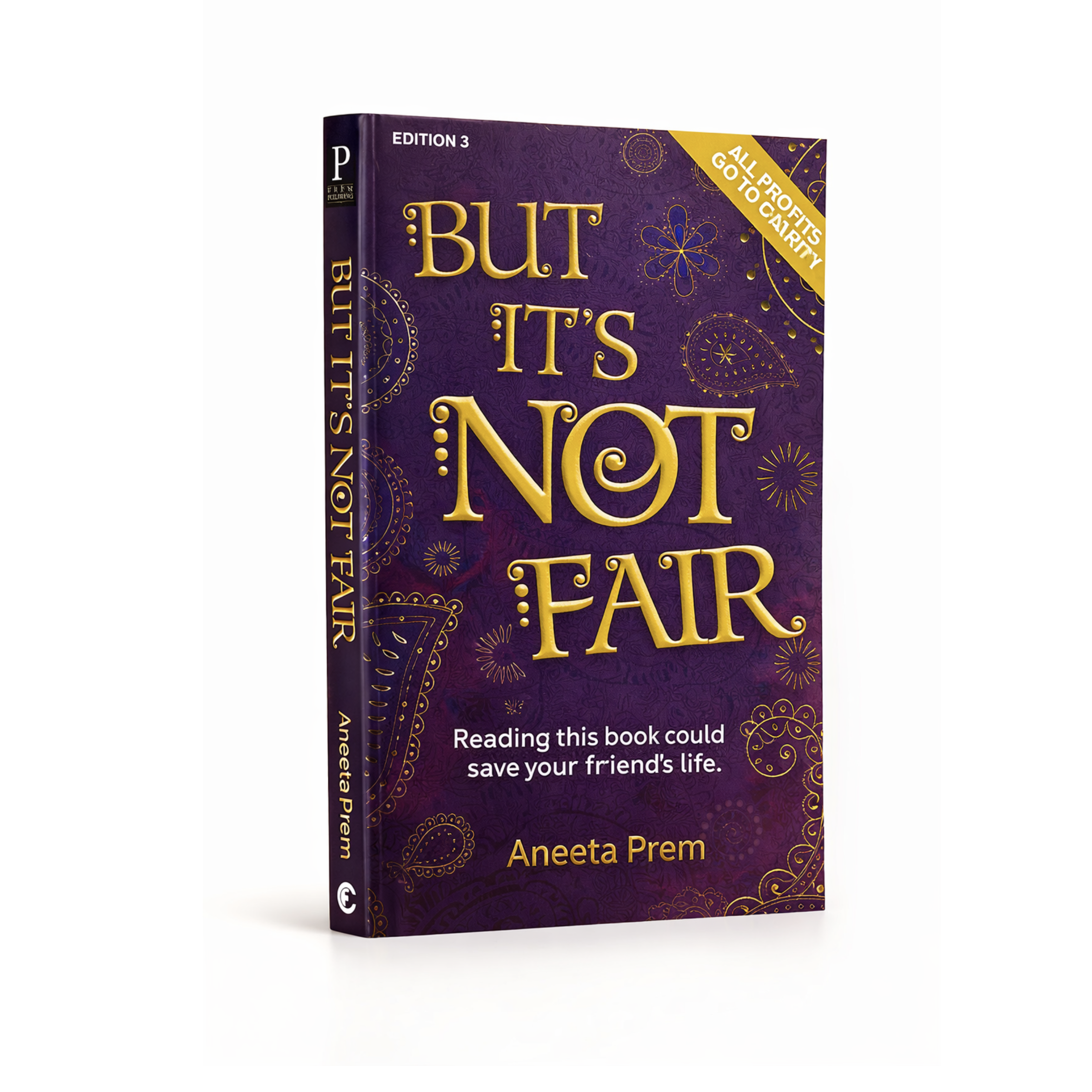
Forced marriage · Friendship · Choice
When Abby goes away for a family wedding and does not return, Vinny and Sofia begin to realise that friendship sometimes means telling a safe adult. Use the story to discuss consent, coercion and seeking help.
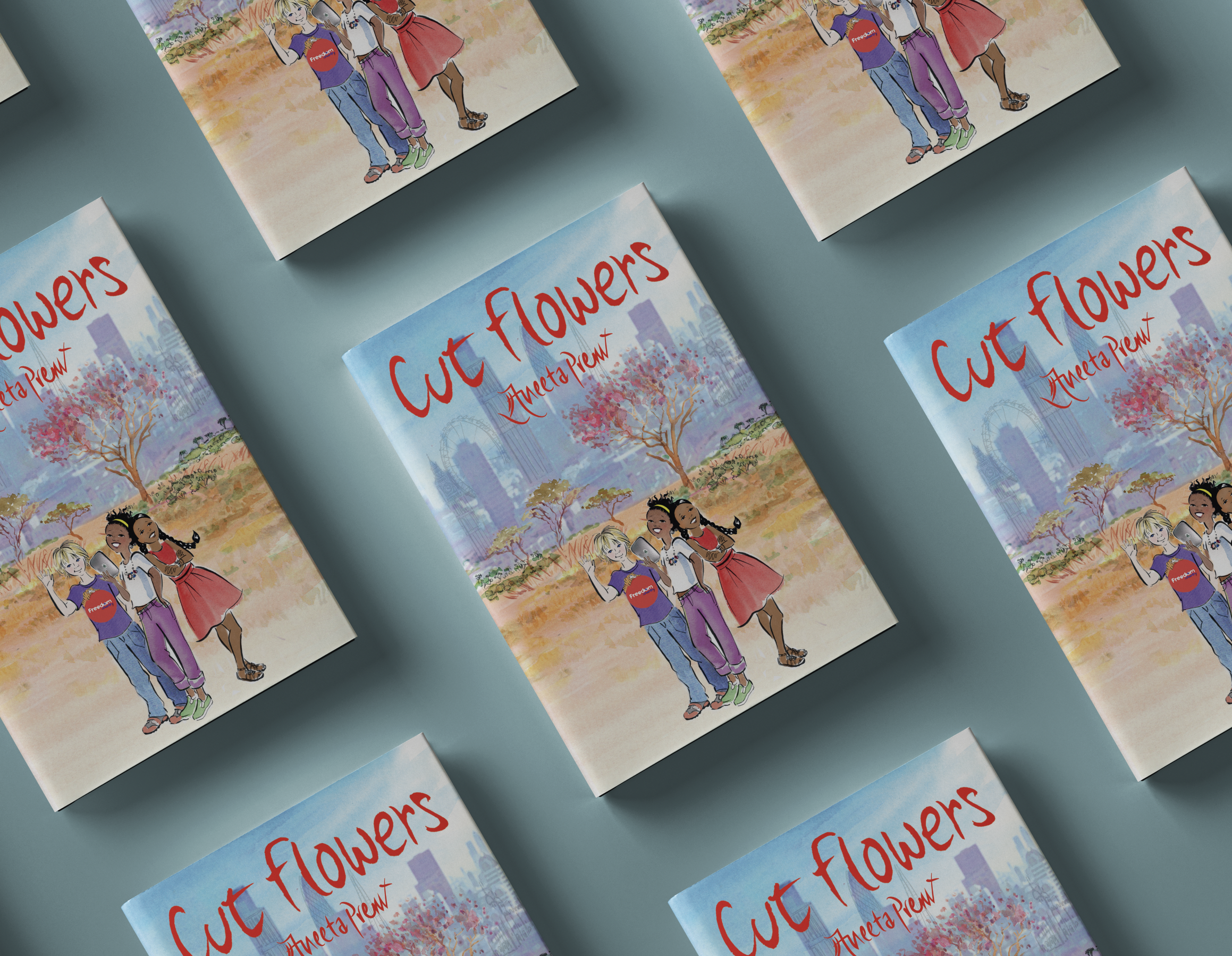
FGM · Friendship · Speaking up
Katie and Sophia’s summer stories help young readers explore bodily autonomy, family secrets and the importance of safe adult support. The separate Education Hub offers age/depth routes and teacher guidance.
Pupils do not each need to own either book to use the core online education resources. Schools can ask Freedom about class sets or book visits.
Safeguarding first
A good lesson creates understanding. A safe school knows what to do when understanding leads to a disclosure.
If a child is at immediate risk in the UK, call 999. Do not use family mediation in a suspected forced-marriage case or alert relatives who may be involved. Follow your safeguarding policy and involve the designated safeguarding lead and statutory services when required.
Brief the DSL; check known risks and local referral arrangements; review the lesson for age, maturity, SEND and EAL needs. Plan a quiet, private way for pupils to seek help.
Use fictional scenarios, clear ground rules and the right to pass. Never ask for family disclosures in front of classmates, demand proof or make a child recount traumatic details.
Listen calmly, record the child’s words accurately and explain confidentiality honestly. Follow the school’s safeguarding procedure. Do not investigate or contact a family where doing so may raise the danger.
Curriculum and legal context · September 2026
ENGLAND · EDUCATION
The Department for Education’s revised Relationships Education, RSE and Health Education statutory guidance took effect on 1 September 2026. Schools in England must have regard to it. Plan these lessons within the school’s actual curriculum, policies and pupil needs.
ENGLAND · SAFEGUARDING
Keeping children safe in education 2026 applies to English schools and colleges. Staff must read Part One in full and follow local safeguarding procedures. The Freedom lesson packs support education; they do not replace these duties.
ENGLAND AND WALES · FGM
A specified teacher’s personal duty to report to police applies to a known case of FGM identified in the course of their professional work involving a girl under 18. Suspected or future risk still requires safeguarding action, but is not itself the same mandatory-reporting trigger. No child should be examined by a teacher.
ALL FOUR UK NATIONS
Curriculum and safeguarding requirements differ between England, Wales, Scotland and Northern Ireland. These KS3–KS4 packs are established teaching resources, not a statement that England’s statutory guidance applies unchanged elsewhere. Overseas schools should use the laws and referral routes where they operate.
The work in schools · Freedom’s archive
Freedom’s books and education work have a record beyond the page. These are existing school and book photographs from Freedom’s published archive, shown without altering the people or the book covers.
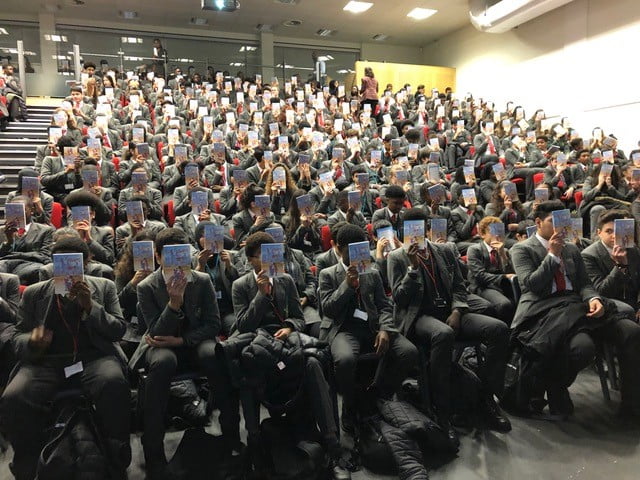
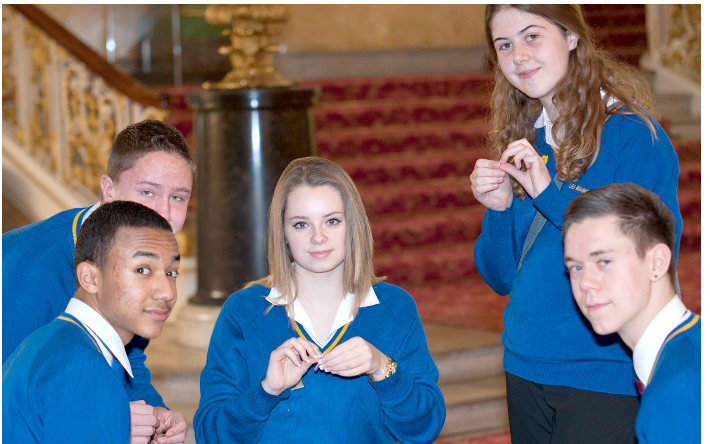
Schools and image contributors should continue to follow the consent and safeguarding arrangements for any identifiable pupils. These images are from Freedom’s existing media library.
Bring Freedom to your school
Freedom can discuss age-appropriate assemblies, workshops, staff awareness and book-led learning. Send your school’s year groups, location, proposed date and safeguarding contact so we can consider the right format.
Requesting the lesson packs is separate from booking a session or buying books. Schools can use the resources without making a purchase.
Questions schools ask
No. The PSHE Association Quality Mark applies to Freedom’s established forced-marriage and FGM lesson packs and accompanying resources. But It’s Not Fair and Cut Flowers are separate novels that can support teaching.
The independently listed lesson packs are for KS3 and KS4. Teachers should not describe them as independently approved for other key stages. Any adaptation for younger pupils needs careful review and an age-appropriate safeguarding plan.
No. The established PSHE lesson packs are separate resources, and the books’ digital teaching areas provide core learning without requiring each pupil to buy the novel. Books can extend reading, conversation and library access.
Follow the school’s safeguarding policy and contact the DSL. Listen without investigating, explain confidentiality honestly and act on any immediate danger. Do not contact potentially involved family members or initiate family mediation in suspected forced-marriage cases.
The education materials can inform lessons where suitable, but your curriculum, mandatory reporting, referral pathways and safeguarding law depend on jurisdiction. Check the rules where your school operates; do not treat English statutory guidance as universal.
PSHE Association ↗ · DfE RSE guidance 2026 ↗ · KCSIE 2026 ↗ · FGM mandatory-reporting guidance ↗ · Forced-marriage guidance ↗
Page reviewed 9 October 2026. Links to statutory guidance apply to the jurisdiction specified above. Freedom’s own school photos and reach claims are distinct from independent approval of the lesson packs.