



FGM safeguarding resource: why Cut Flowers is used in schools
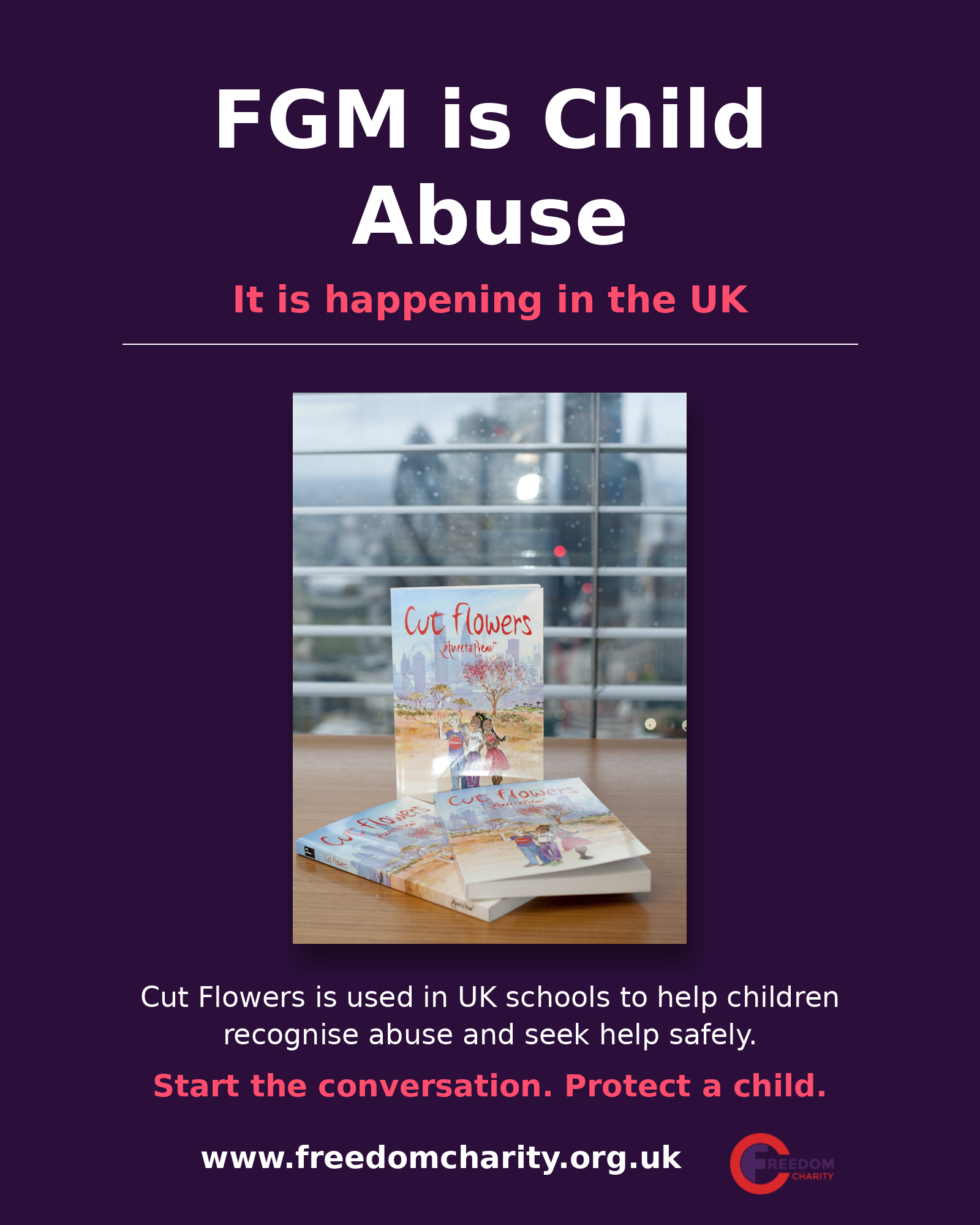
Cut Flowers is an FGM safeguarding resource used in schools to help staff and pupils address female genital mutilation more safely. It supports early intervention, stronger safeguarding conversations and better professional confidence. The UK’s safeguarding framework is clear that professionals must recognise risk and act early, and the mandatory reporting duty on FGM remains in force for teachers and regulated health and social care professionals in England and Wales.
Why schools need an FGM safeguarding resource
Many professionals know that FGM is illegal. However, many still feel unsure when risk becomes real. A member of staff may notice a change in behaviour. A pupil may seem anxious before travel. A child may hint at a family event but say very little. In those moments, staff need more than awareness. They need tools that help them speak, listen and act safely. Guidance for schools places female genital mutilation within the safeguarding framework and points staff to the relevant duties and procedures.
That is where an FGM safeguarding resource matters. It helps schools move from awareness to practical protection.
How Cut Flowers supports safeguarding practice
Cut Flowers, written by Aneeta Prem, gives schools a structured way to discuss a difficult subject. It helps teachers open conversations in an age-appropriate way. It also helps pupils understand risk, secrecy, fear and control.
This matters because many safeguarding failures do not begin with a lack of care. They begin with uncertainty. Staff may worry about saying the wrong thing. They may fear causing offence. They may not know when concern becomes action.
A good FGM safeguarding resource reduces that hesitation.
The latest uploaded edition identifies Aneeta Prem as the author and presents the book within Freedom Charity’s wider safeguarding and awareness work.
Official guidance and the case for early action
Schools already have safeguarding duties in this area. Keeping Children Safe in Education 2025 includes female genital mutilation in the wider safeguarding framework and reminds schools about the mandatory reporting duty for teachers.
The wider statutory framework points in the same direction. Working Together to Safeguard Children 2026 places child protection within a clear multi-agency system. That includes earlier recognition and coordinated action.
The government’s FGM resource pack also refers to a PSHE Association-accredited FGM/C lesson plan based on Cut Flowers. That places the book within an official educational and safeguarding context.
Why this FGM safeguarding resource matters now
This is not simply a book being promoted by its author. It is an FGM safeguarding resource that helps schools address a difficult issue with more confidence and care.
Professionals often understand the law. The harder part is practice. They may ask how to raise concern safely, what signs to notice, how to respond without delay, and when to escalate.
That is why good safeguarding depends on more than policy. It depends on whether staff have the right tools to notice risk early and act.
Cut Flowers helps schools do that. It supports safer discussion, earlier recognition and stronger safeguarding practice.
For the legal position, see the government guidance on the mandatory reporting duty on FGM. For a wider safeguarding context, see Keeping Children Safe in Education and Working Together to Safeguard Children.
Aneeta Prem MBE 20 March 2026