Home

Preventing forced marriage, FGM and Dishonour Abuse

Freedom Charity is a UK safeguarding charity working through education, specialist resources, professional training, public awareness and practical routes to help.

250K+

Freedom App downloads

100K+

books donated

2009

Freedom Charity founded

What Freedom Charity does

Education, prevention and safeguarding.

Freedom Charity works to prevent forced marriage, female genital mutilation (FGM) and Dishonour Abuse. Its work includes school education, professional safeguarding training, books and lesson resources, the Freedom App, public awareness, policy work and a specialist helpline.

Freedom Charity safeguarding education in a school

Understand the issues

Clear answers on abuse, law and safeguarding.

These are the issues people most often come to Freedom to understand. Each section links to detailed safeguarding information, law, warning signs and routes to help.

What is forced marriage?

A forced marriage is a marriage in which one or both people do not freely consent and pressure, threats, coercion or abuse are used. It is different from an arranged marriage, where both people remain free to say no.

Forced marriage guidance →

What is FGM?

Female genital mutilation involves procedures that intentionally alter or injure the female genital organs for non-medical reasons. FGM has no health benefits and is a safeguarding and human-rights issue.

FGM guidance →

What is Dishonour Abuse?

Freedom uses Dishonour Abuse for abuse sometimes described as “honour-based abuse”. It can include coercion, control, threats, violence, forced marriage, FGM and abuse linked to perceived shame or family reputation.

Dishonour Abuse guidance →

Virginity testing and hymenoplasty

Freedom campaigned against virginity testing and hymenoplasty. Both are criminal offences across the UK under the Health and Care Act 2022.

Read the guidance →

Transnational marriage abandonment

Transnational marriage abandonment can involve a spouse being taken abroad and deliberately left there without documents, money or a safe route home. It may form part of wider domestic or Dishonour Abuse.

Learn more →

Need help now?

Freedom’s specialist helpline is available 24/7 for people affected by forced marriage, FGM and Dishonour Abuse, and for people seeking safeguarding information. If the helpline is not answered, use the statutory or specialist services listed on the helpline page. In immediate danger, call 999.

Helpline information →

Schools, professionals and communities

Practical safeguarding resources people can use.

Freedom’s work is designed to help people recognise risk earlier, respond safely and prevent abuse before it escalates.

Schools & PSHE

Lesson resources, assemblies, books and school visits on forced marriage, FGM, consent, coercion and safeguarding.

For schools

Professional training

Training for safeguarding professionals, education, police, health, social care and other organisations.

For professionals

Freedom App

The Freedom App gives users quick access to information and routes to help. It has been downloaded more than 250,000 times.

Freedom App

Books & resources

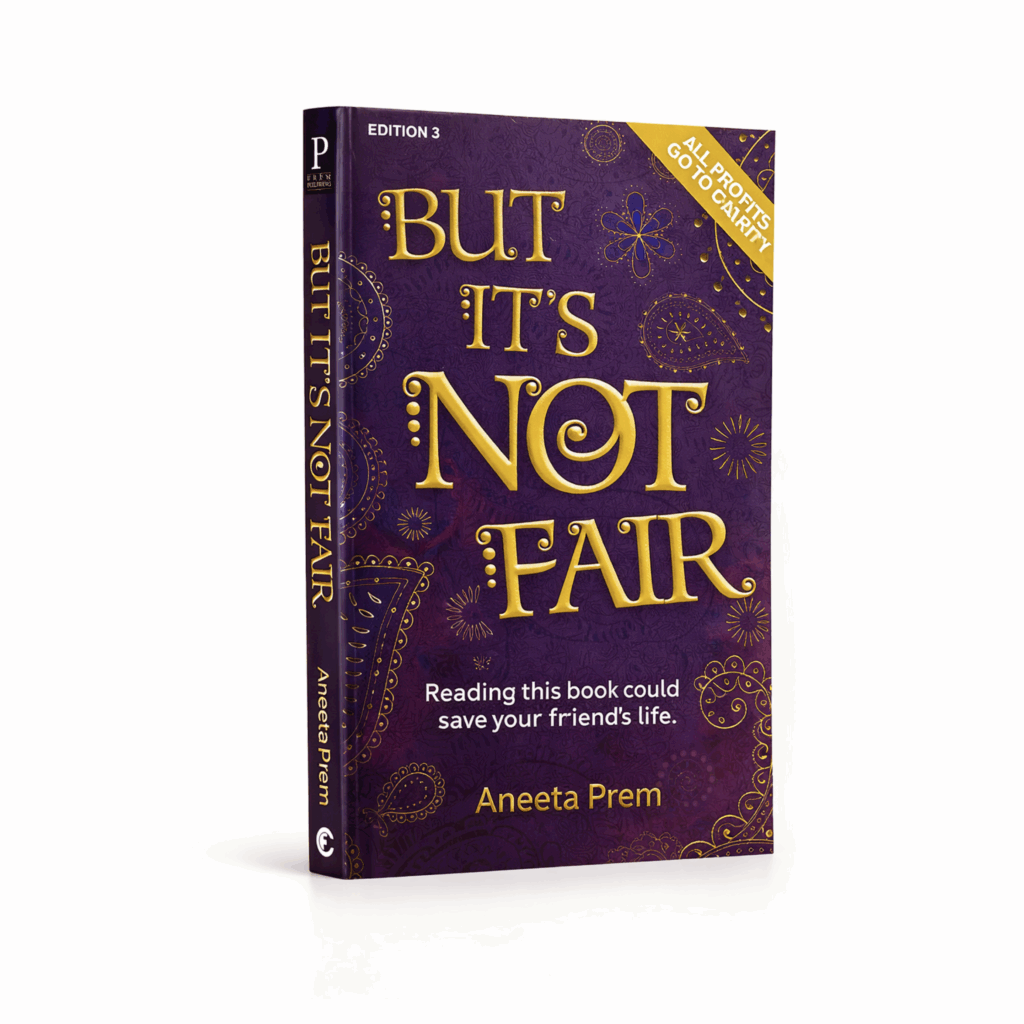
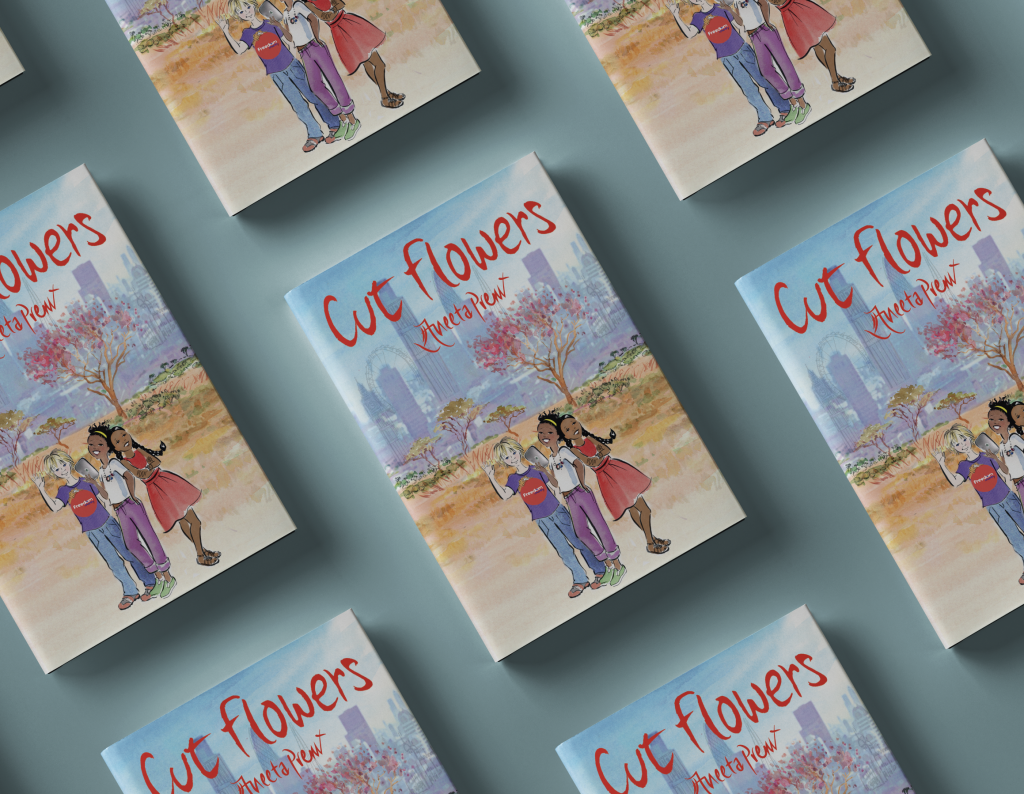
But It’s Not Fair and Cut Flowers help open age-appropriate safeguarding conversations on forced marriage and FGM.

Shop Freedom
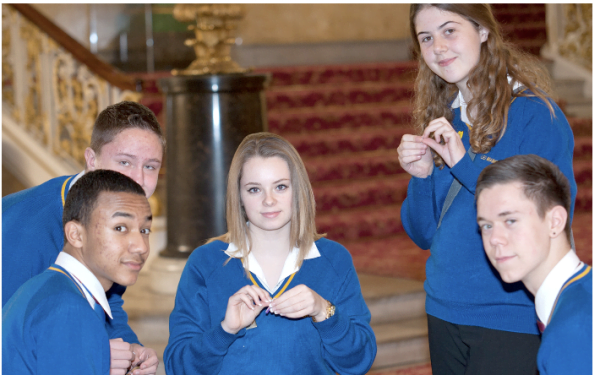
Students taking part in Freedom Charity’s Red Triangle campaign against FGM

Books and Red Triangle

Resources that carry the message beyond the page.

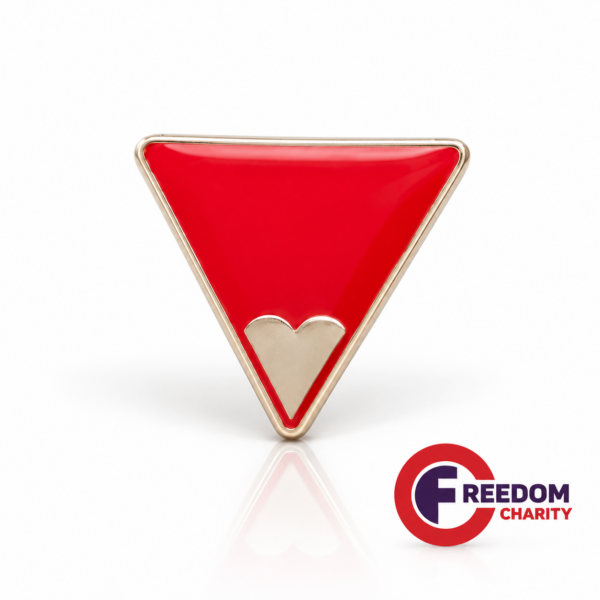
Freedom has donated more than 100,000 books. The Red Triangle Badge is Freedom Charity’s visible symbol against FGM. Purchases support the charity’s prevention, education and safeguarding work.

National Diversity Award 2026

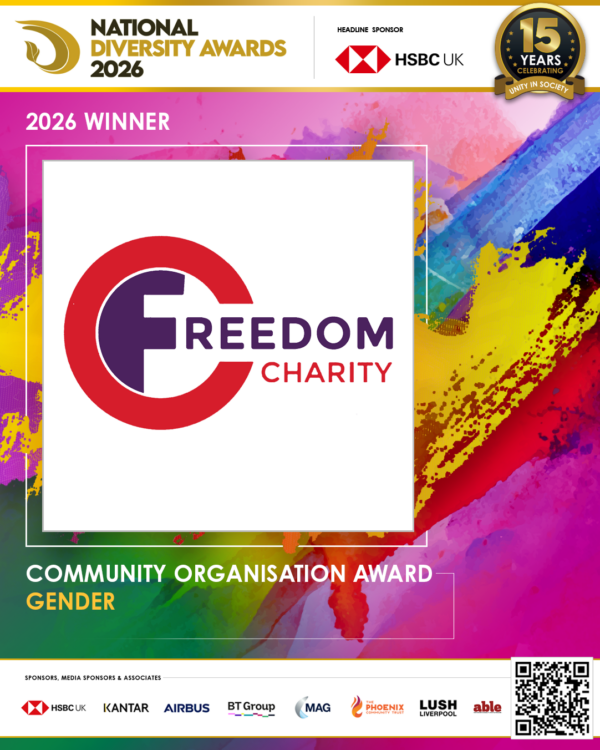
Freedom Charity won the Community Organisation Award for Gender.

PSHE Association Quality Mark

Freedom’s forced-marriage and FGM lesson packs have received the PSHE Association Quality Mark.

Evidence & accountability

Freedom publishes information about its work, reach and safeguarding activity for supporters, schools and professionals.

Need help? Freedom’s specialist helpline is available 24/7. If the helpline is not answered, use the statutory or specialist services listed on the helpline page. If someone is in immediate danger, call 999.

Helpline information