



Forced Marriage
Freedom Charity · Forced marriage
Forced marriage
Marriage must be a choice.
What is forced marriage? A forced marriage is one in which one or both people do not freely consent, or cannot consent. Pressure or abuse may be involved, but coercion is not required where a person cannot consent. Forced marriage can affect people in any country. Legal protections and routes to help differ by location; the UK-specific law is explained below.

Forced marriage at a glance
Forced or arranged?
For adults, an arranged marriage and a forced marriage are not the same. In an arranged marriage families may help introduce a partner, but both adults remain free to accept or refuse.
Consent is central
The right to choose whether, when and whom to marry is fundamental. Culture, religion or family expectations do not remove that right.
Children
In England and Wales the minimum age for marriage and civil partnership is 18. The law also criminalises conduct intended to cause a child to marry before 18.
A survivor’s experience · Freedom’s work
She thought she was going to a family wedding.
At 16, she travelled abroad believing she was attending a cousin’s wedding. Once there, her passport and phone were taken. She discovered that the marriage being arranged was her own.
What happened next
She was forced to marry an older cousin. She could not leave freely and experienced sexual violence. Control over her return to the UK, including pressure linked to pregnancy and immigration, prolonged the abuse.
Freedom supported her and helped prevent her younger sisters from facing the same harm. A child’s safety must not depend on her being able to escape or prove what has happened alone.
This account is anonymised. Identifying details are withheld, and these paragraphs are a summary, not a direct quotation from the survivor.
When a trip may hide a marriage
A family wedding or an overseas holiday is not evidence of forced marriage on its own. But a young person’s fear, pressure to travel, a sudden change of plans or restrictions on private contact can signal risk. If a passport or phone is taken, the person may be unable to reach help safely.
If you are worried before a trip: tell a trusted adult or safeguarding professional privately. Do not confront relatives or attempt to investigate. A teacher or professional should follow safeguarding procedures and seek specialist advice before contacting family members.
If you are already overseas: the UK Forced Marriage Unit can advise on what help may be possible, including consular options for British nationals. In immediate danger, contact the local emergency service if safe to do so.
If you are being pressured to sponsor an unwanted spouse’s UK visa: tell the Forced Marriage Unit. It can advise on “reluctant sponsor” cases and safer next steps. Do not alert anyone involved in the abuse without specialist safety advice. Read the government’s forced-marriage resource pack →
Find a safer route to help →
UK Forced Marriage Unit guidance →
Definition
Consent.
A forced marriage is one in which one or both people do not freely consent, or cannot consent. Pressure or abuse may be involved, but coercion is not required where a person cannot consent. Force can include physical violence, threats, emotional or psychological pressure, financial control, isolation, surveillance, threats of family rejection, confiscation of documents, threats about immigration status, or taking someone abroad.
A person may initially appear to agree and later withdraw consent. If they are then made to go ahead, it is still forced marriage. A person who lacks the mental capacity to consent to marriage cannot lawfully be made to marry simply because they appear compliant or because relatives believe the marriage is in their interests.
Forced marriage can affect women, men, girls and boys, people of different faiths and backgrounds, LGBTQ+ people, disabled people and adults with care and support needs. It can happen entirely in the UK or have an overseas element.
Warning signs
What risk can look like
No single sign proves that a forced marriage is planned. The concern comes from the pattern, the context and what the person says.
- sudden or unexplained absence from school, college, university or work;
- fear about an overseas trip or a family holiday;
- a sudden engagement or marriage discussion the person does not appear to want;
- withdrawal, anxiety, depression, self-harm or significant changes in behaviour;
- family restrictions on friendships, relationships, clothing, money, education, work or movement;
- relatives monitoring phones, messages or social media;
- a passport or travel documents being removed;
- siblings or relatives being married at a young age;
- pressure linked to sexuality, pregnancy, relationships, disability, family reputation or immigration;
- threats of being sent abroad, abandoned overseas or prevented from returning to the UK.
England & Wales
The criminal law
Forced marriage became a specific criminal offence in England and Wales on 16 June 2014 under section 121 of the Anti-social Behaviour, Crime and Policing Act 2014. The offence covers violence, threats or any other form of coercion used for the purpose of causing someone to enter a marriage without free and full consent where the perpetrator believes, or ought reasonably to believe, that the conduct may have that effect.
The offence also covers causing a person who lacks capacity to consent to marriage to enter one. For the purposes of the offence, a marriage can include a religious or civil ceremony whether or not it is legally binding.
Since 27 February 2023, following the Marriage and Civil Partnership (Minimum Age) Act 2022, it is also an offence in England and Wales to carry out conduct for the purpose of causing a child to enter a marriage before the child turns 18. For that child-marriage offence, the prosecution does not have to prove violence, threats or another form of coercion.
The principal forced-marriage offence carries a maximum sentence of seven years’ imprisonment on conviction on indictment. Victims of forced-marriage offences are entitled to lifelong anonymity.
Across the UK
One UK. Different legal frameworks.
Forced marriage is criminalised across the UK, but the legislation, civil protection routes and procedures are not identical.
In Scotland, forcing someone to marry became a specific criminal offence on 30 September 2014 under section 122 of the 2014 Act, alongside the separate Scottish Forced Marriage etc. (Protection and Jurisdiction) Act 2011. Northern Ireland has its own legal framework.
Anyone dealing with an active case should use the current law and guidance for the relevant nation rather than assuming that an England and Wales procedure applies everywhere.
Protection orders
Forced Marriage Protection Orders
A Forced Marriage Protection Order, usually called an FMPO, is a civil court order designed around the particular risk. In England and Wales, it can protect someone who is being threatened with forced marriage or someone who is already in a forced marriage. It can be used at the same time as a police investigation or criminal proceedings.
What can an FMPO do?
The Family Court has wide powers. An order can prohibit contact or threats, prevent a person from being taken abroad, require the surrender of passports, require information about someone’s whereabouts, or impose other conditions the court considers necessary to protect the person. Orders can apply to family members, a proposed spouse or anyone involved in forcing or attempting to force the marriage.
Who can apply?
In England and Wales, the person at risk can apply. A relative, friend, voluntary worker or another person can apply in the circumstances allowed by the court. A relevant third party such as a local authority can apply without first obtaining permission. A child can apply; depending on the circumstances, the court may allow a child to proceed without a litigation friend.
How do you apply?
The application is made to the Family Court. Form FL401A is used by the person to be protected or a relevant third party. Someone else applying on behalf of the person may need form FL430 to seek the court’s permission. Form C8 can be used to keep an address or other contact details confidential. There is no court fee for an FMPO application.
Emergency orders
Where there is urgent risk, the court can make a without-notice order so protection is put in place before the respondent is told about the application. The applicant explains what has happened, what protection is needed and why notifying the respondent first would create risk.
After an order is made
Service is a formal step. Government guidance says an individual applicant must not personally serve the application or order on the respondent. If no solicitor is acting, ask the court about free service by a court official, including form D89. The court sends a sealed order to police, and the police must also be notified when the respondent is served or informed of the order. The court can later vary, extend or discharge the order.
What if someone breaches it?
In England and Wales, breach of an FMPO is a criminal offence carrying a maximum sentence of five years’ imprisonment. A breach can also be dealt with as contempt of court in the Family Court, but a person cannot be punished twice for the same breach.
Criminal justice
Prosecutions and court cases
The specific forced-marriage offence is only one route to prosecution. Depending on the facts, police and prosecutors may also consider assault, threats, coercive or controlling behaviour, kidnap, false imprisonment, sexual offences, child cruelty, trafficking, stalking, harassment, immigration offences or other crimes.
FMPO breach prosecuted
CPS case material records a victim who obtained an FMPO against her father after fearing he would force her to marry. He later sent threatening communications in breach of the order, pleaded guilty and received a suspended custodial sentence, unpaid work and a restraining order. The example matters because it shows that an FMPO is not simply advice: its terms are legally enforceable.
Police, witnesses and wider evidence
CPS reports also show cases proceeding where victims were frightened or reluctant to attend court. Prosecutors can consider evidence beyond the victim’s account, special measures and protective orders. The current CPS approach emphasises suspect-focused, evidence-led investigation and the particular risks created by multiple perpetrators and family pressure.
2024 FGM and forced-marriage conspiracy case
In 2024, Emad Kaky was convicted of conspiracy to commit FGM and forced marriage after arranging for a child to travel from the UK to Iraq. The plans were uncovered before the FGM and forced marriage took place. The case is an important example of prevention, cross-border evidence and prosecution before the intended harm was completed.
What this means in practice
Different professionals have different jobs
Police
Assess immediate danger, consider multiple perpetrators and overseas risk, protect evidence, consider FMPOs and other orders early, investigate criminal offences and avoid actions that alert the family before a safety plan is in place.
Social workers
Use child or adult safeguarding procedures, see the person alone where safe, assess family-network risk, consider siblings and other people at risk, plan with police and specialist services, and do not use family mediation.
Teachers & DSLs
Take disclosures seriously, follow safeguarding procedures immediately, do not contact parents where doing so may increase risk, consider travel dates and school absence, and preserve the young person’s own words accurately.
Health professionals
See the patient alone where possible, consider injuries, mental health, pregnancy, sexual violence, capacity and wider abuse, follow safeguarding duties, use safe interpreters and do not send information to relatives without a lawful and safe basis.
Universities & colleges
Students may be adults but still face intense family control. Student-support, safeguarding and security teams should take overseas travel, accommodation, finance, immigration and family surveillance seriously and know the FMU route.
Lawyers & courts
Consider urgent civil protection, confidentiality, service arrangements, legal aid, evidence, capacity, special measures and how a family-law order interacts with any criminal investigation.
Friends
Believe the person, help them reach specialist support and avoid contacting relatives, gathering risky evidence or attempting a rescue without professional advice.
Faith & community leaders
Do not mediate a forced-marriage case or disclose that a person has sought help. Support the individual’s right to choose and refer safeguarding concerns appropriately.
Journalists
Remember lifelong anonymity protections. Avoid jigsaw identification, sensationalism and language that confuses arranged marriage with forced marriage.
Young people & students
You do not need to prove what is happening before asking for help. If you fear family pressure, a marriage or overseas travel, tell a trusted professional as early as you can.
MPs & policymakers
Use current law and primary data, distinguish case numbers from prevalence, listen to survivor and practitioner evidence, and test whether policy improves prevention, protection, prosecution and safe access to help.
Overseas risk
If someone fears being taken abroad
Seek specialist advice before travel where possible. The Forced Marriage Unit can advise people at risk and professionals, and can provide consular assistance to British nationals overseas. Do not delay seeking help in order to collect documents or evidence. If a safeguarding professional advises recording passport, itinerary or destination details, do so only in a way that does not increase risk.
If someone is already overseas, the available help depends on nationality, location and circumstances. The FMU can explain what consular assistance may be possible. If the concern also involves FGM, read Freedom’s FGM warning signs and safeguarding guide.
Freedom’s campaign · 2009–today
It wasn’t always a crime.
Freedom began with a clear aim: forced marriage should be recognised in criminal law — and people at risk should know they had a choice.
Freedom begins.
Aneeta Prem MBE and Lord Toby Harris co-founded Freedom Charity with prevention at its heart. Criminalisation was one of Freedom’s primary aims, alongside education, safeguarding and practical routes to help.
A book. A helpline. A way to start talking.
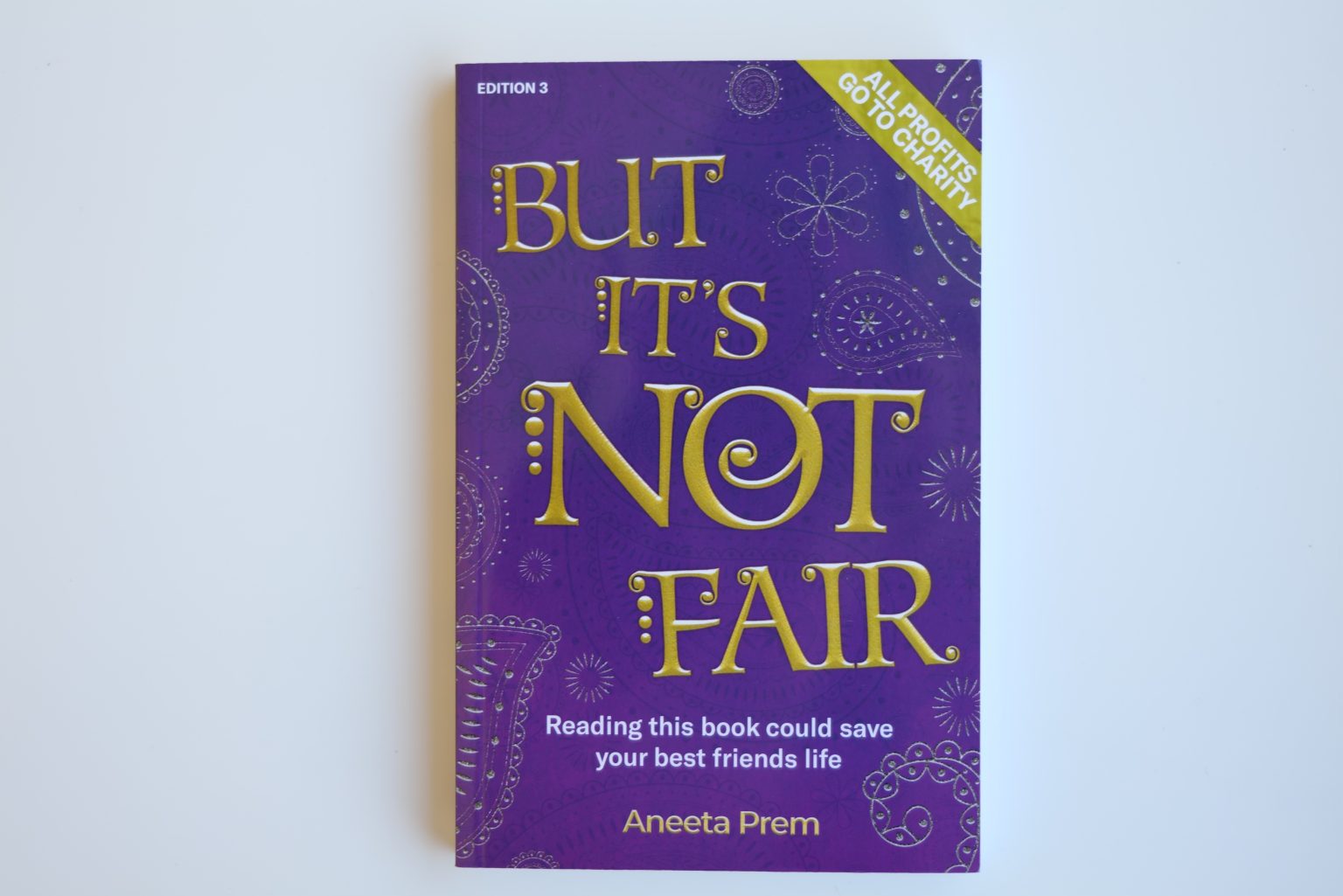
But It’s Not Fair helped young people recognise coercion through story. A House of Lords event on 29 June 2011 connected the book with Freedom’s then 24-hour helpline.
The national argument.
Aneeta Prem appeared on BBC Two’s Newsnight arguing for criminalisation when specialists and campaigners were divided over whether a specific offence was the right approach. Freedom argued that law should work with prevention, education and safeguarding — not replace them.
From television to action.
The Guardian later recorded that a student who had seen Aneeta Prem on Newsnight contacted Freedom because she feared a friend was about to be forced into marriage. Freedom responded; the contemporary account says the intervention prevented that marriage.
Help in a phone.
Freedom launched its safeguarding App at a Forced Marriage Unit stakeholder event. Government records document FMU part-funding and safeguarding input involving the Metropolitan Police.

Freedom gives evidence to Parliament.
Aneeta Prem gave oral evidence to the House of Commons Public Bill Committee considering the legislation that would create the forced-marriage offence.
“As a charity, we were set up with a primary aim to see this become a criminal offence.”
She also told MPs that Freedom’s prevention work included schools, colleges, universities and professional training, and described a major programme with the Association of Chief Police Officers and forces around the country.
Capacity and consent.
On 14 January 2014, Lord Harris of Haringey, declaring his role as chair of Freedom Charity, supported Baroness Thornton’s amendment to address people who lacked capacity to consent to marriage.
On 27 January the Government brought forward amendments making clear that the forced-marriage offence could be committed without violence, threats or other coercion where the victim lacked capacity. The minister expressly identified Lord Harris among those who had raised the concern.
This was Parliamentary work involving several members and the Government, not an amendment introduced by Freedom alone.
#Freedom2Choose
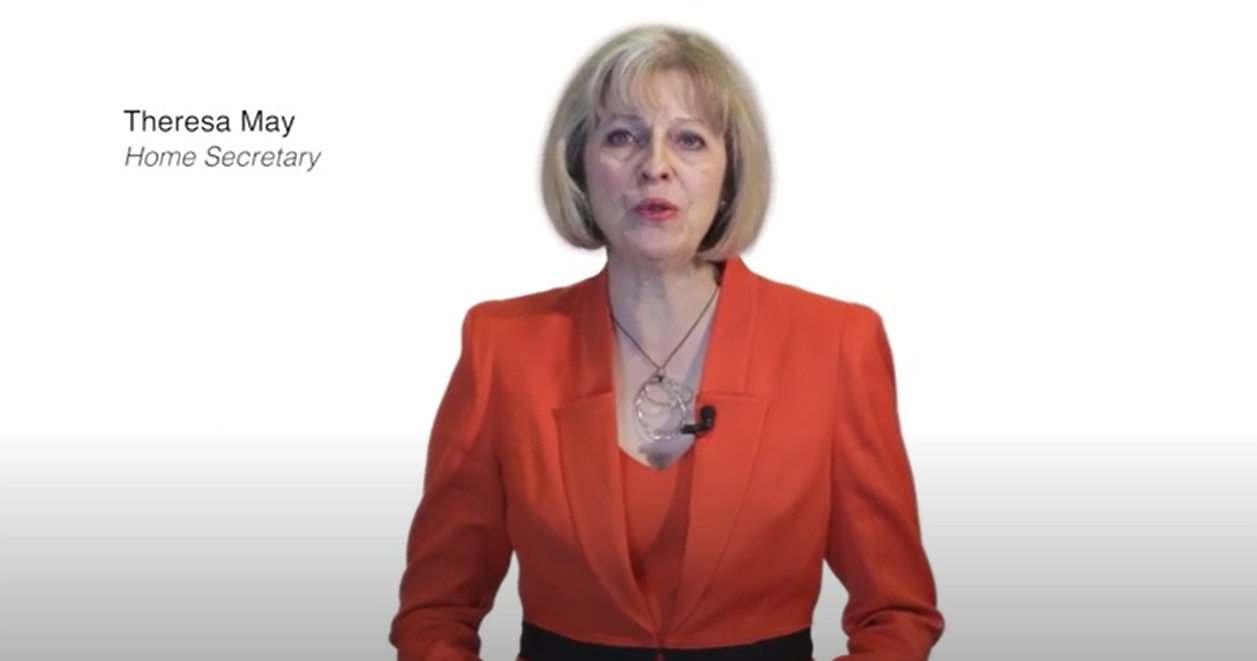
On the eve of criminalisation, Freedom’s campaign film brought together Home Secretary Theresa May, Freedom, police, the Crown Prosecution Service, specialist voices and survivor experience.
Marriage must be a choice.
The law changed.
Forced marriage became a specific criminal offence in England and Wales. Freedom campaigned for that change and contributed evidence, education and public campaigning. The legislation itself was the work of Parliament following years of work by survivors, campaigners, professionals, government and public bodies.
After the law
A law only works if people know what to do.
Freedom’s work moved from campaigning into frontline practice: helping the people most likely to see the warning signs recognise risk and respond without making someone less safe.
Police
Recognition, family dynamics, sensitive response and the risks of returning someone to perpetrators.
Social workers
Coercion, family-network risk, safeguarding and multi-agency response.
Teachers & DSLs
Warning signs, disclosures, absence, overseas travel and safer action.
Health & frontline teams
Hidden abuse, consent, capacity, referral and statutory protection.
Freedom’s Parliamentary evidence in 2013 described professional training as part of a wider multi-agency approach spanning education, health, housing and safeguarding. The work continued through schools, books, the App, helpline, professional awareness and policy engagement.
Get help
You do not have to manage this alone.
If there is immediate danger call 999. The Forced Marriage Unit provides advice to people at risk and professionals. Freedom’s helpline page also gives current support routes and safer-device guidance.
FAQs
Questions people ask
Is forced marriage the same as arranged marriage?
No. For adults, the key distinction is free and full consent.
Can emotional pressure count?
Yes. Force is not limited to physical violence.
Can a 16 or 17-year-old marry in England or Wales with parental consent?
No. The minimum age is 18.
Can an FMPO be obtained before a marriage happens?
Yes. Prevention is one of its central purposes.
Can police act if there is already an FMPO?
Yes. Breach is a criminal offence in England and Wales and should be reported to police.
Should a professional contact the family?
Not where forced marriage is suspected and contact could increase risk. Follow statutory guidance and safeguarding procedures.
Authoritative sources
Multi-agency forced-marriage guidance · FMPO guidance · CPS guidance · Scotland statutory guidance
About Freedom
Why Freedom Charity
Freedom Charity was co-founded in 2009 by Aneeta Prem MBE and Lord Toby Harris. Its work brings together safeguarding, education, public awareness, professional training, books, technology, campaigning and policy engagement around forced marriage, female genital mutilation and related forms of abuse.
Freedom does not replace the police, social care, the NHS, courts, the Forced Marriage Unit or legal advice. Its role is to help people recognise risk, understand the issues, find safer routes to help and strengthen prevention.
Our documented historyEvidence & ImpactFor professionalsDonate to Freedom