


01 · AGES 11–17
Freedom Youth Groups
With a responsible adult lead, young people can learn about rights and safeguarding, explore the books, create safe awareness activities and help others recognise where to find support.

Freedom Charity · Get involved
There are practical ways to help prevent forced marriage, female genital mutilation (FGM) and Dishonour Abuse: learn the facts, organise safe awareness activities, bring Freedom into a school or workplace, or help fund the work.
You do not need to be a safeguarding professional to get involved. You do need to know your boundaries and make sure anyone at risk can reach qualified help.

Find your starting point
Whether you are a student, teacher, employer or community organiser, choose a route with clear responsibilities and age-appropriate resources.
01 · AGES 11–17
With a responsible adult lead, young people can learn about rights and safeguarding, explore the books, create safe awareness activities and help others recognise where to find support.
02 · STUDENTS
Plan campus awareness and signposting with your institution’s safeguarding and wellbeing services. Student activities should never become an informal casework service.
03 · ADULTS AND COMMUNITIES
Share accurate information, host an approved event, make specialist help easier to find and bring the issue into local discussions without putting anyone at risk.
04 · EMPLOYERS
Help colleagues recognise concerns, improve signposting and explore specialist safeguarding awareness with clear boundaries for managers, HR and staff networks.
For schools and educators
Use Freedom’s PSHE Association Quality Mark lesson packs, explore the separate teaching areas for But It’s Not Fair and Cut Flowers, or ask Freedom about a school visit.
The lesson packs are for KS3–KS4 and are available from the PSHE Association without joining Freedom’s mailing list. The Quality Mark does not automatically apply to either book.
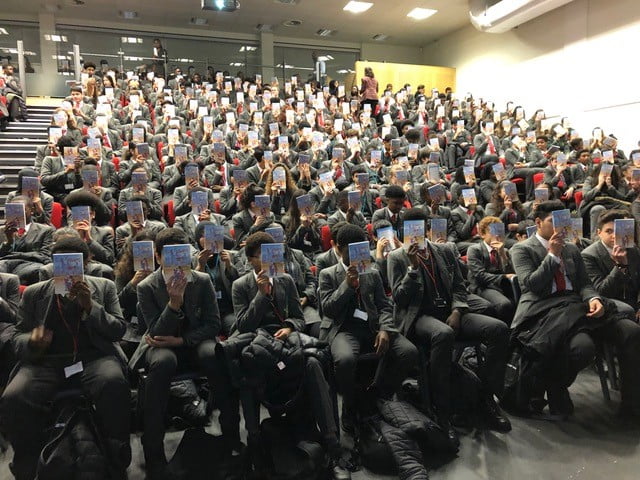
A safe way to begin
Young people, students, adults and employers have different roles. Choose the guide that fits your age and setting.
Know your lead, local referral route and the limits of your activity. Never ask anyone to share personal experiences publicly.
Ask before public co-branding, formal partnership work or activities represented as official Freedom programmes.
Taking action does not make you a caseworker. Do not investigate concerns, contact suspected perpetrators, arrange family mediation or promise secrecy. A child’s disclosure must be passed through the proper safeguarding route. In immediate danger in the UK, call 999; outside the UK use local emergency services.
Other ways to help
You can support prevention even if you cannot organise a group. A donation, fundraising activity or conversation with your school or workplace can help Freedom extend its education and safeguarding work.
If you want to seek help rather than organise an activity, please use Freedom’s helpline instead.
Questions before you start
No. The guides help people plan appropriate action, but they do not create an official Freedom branch or authorise use of Freedom’s name or logo for public events. Contact Freedom to discuss formal partnership or co-branding.
Young people can contribute ideas and lead age-appropriate activities, but a named, responsible adult lead and the school or youth setting’s safeguarding arrangements must remain in place.
No. You can start with Freedom’s public information, the Youth or Community guides and the free established PSHE lesson packs. Purchases and donations are separate ways to support the charity.
Listen without investigating or promising confidentiality, and follow your organisation’s safeguarding procedure. Do not contact family members who may be involved. Use the police, children’s social care or specialist services as needed.