


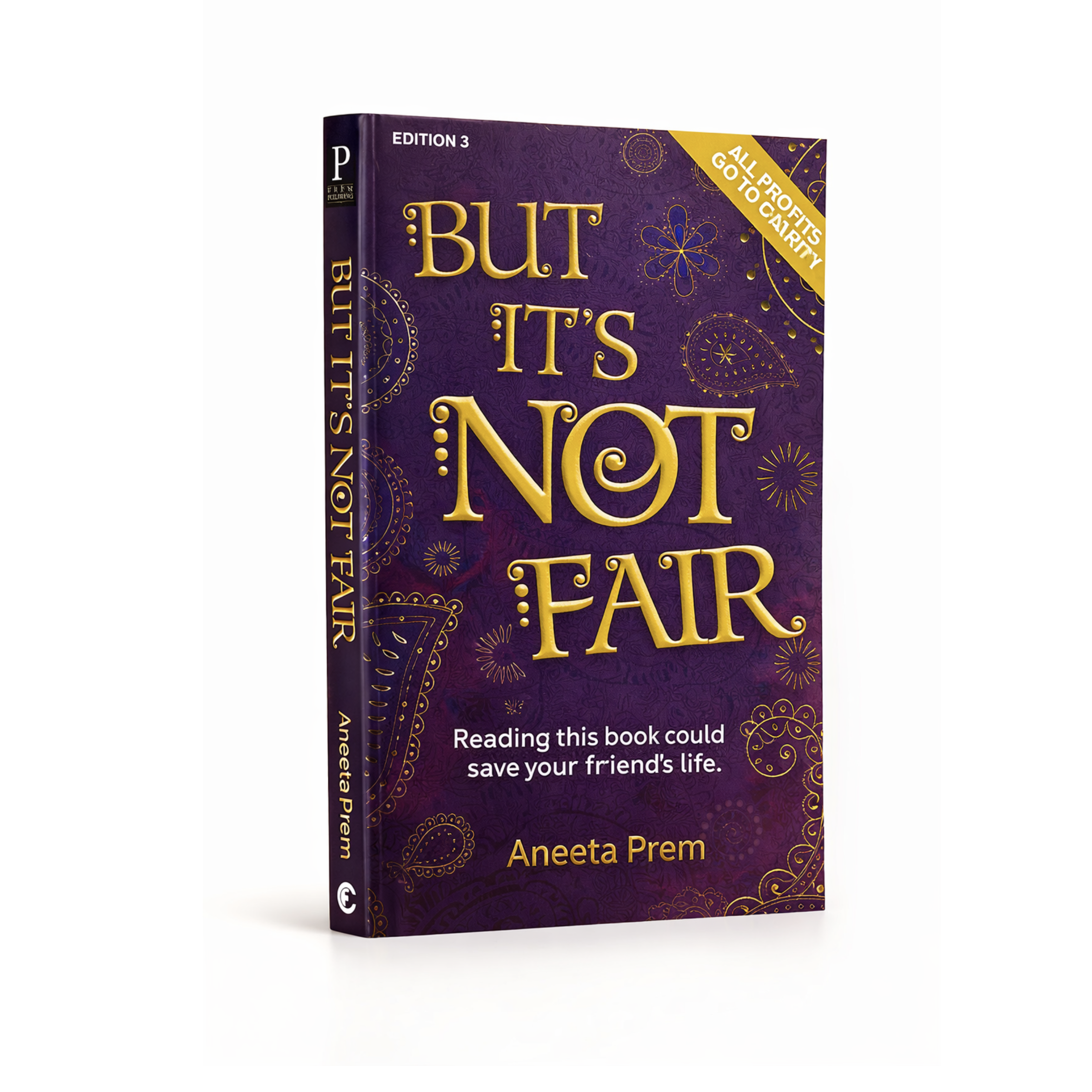
Forced marriage · Consent · Friendship
But It’s Not Fair
Explore the novel, teaching questions and classroom activities on its dedicated website.

Freedom Charity · Schools and colleges
Teach before crisis.
Freedom supports schools and colleges with safeguarding education on forced marriage, FGM, Dishonour Abuse and related coercion. The aim is not simply awareness: it is helping pupils understand choice, recognise risk and know how to seek help safely.
Current education context
In England, revised statutory guidance on Relationships Education, Relationships and Sex Education and Health Education came into force on 1 September 2026. Requirements differ across UK nations. Schools should teach relevant law and healthy relationships age-appropriately while maintaining clear safeguarding routes. See the current DfE relationships and health education guidance and Keeping children safe in education 2026 for England.
For staff
Recognise overseas-travel concerns, sudden engagement, withdrawal, family monitoring and unexplained absence. Do not contact family where doing so could increase risk. Forced marriage warning signs and safeguarding guidance.
Know the difference between mandatory reporting of defined known cases and safeguarding of suspected/future risk. Teachers must not examine a child. FGM warning signs, reporting and protection guidance.
Understand that multiple relatives may be involved and that family mediation can expose the pupil to greater danger.
Pressure around “purity”, a forthcoming marriage, a boyfriend or overseas travel can indicate a wider safeguarding issue.
A pupil’s phone or accounts may be monitored. Do not send messages or documents that could be discovered without considering safety.
Unexplained absence can be a safeguarding signal. Follow attendance and safeguarding procedures rather than assuming a family trip is benign.
When a concern is raised
Teachers and school staff may be the first people a young person tells. Their response should be calm, practical and consistent with the school’s safeguarding procedures. If the child is in immediate danger, call 999.
Make time to listen where it is safe and private. Thank the pupil for telling you. Do not press for a detailed account, ask leading questions or promise absolute secrecy.
Record the pupil’s words and the information they volunteered as accurately as possible. Contact the designated safeguarding lead or the relevant safeguarding service without delay, following your organisation’s procedures.
Where forced marriage, FGM or family-linked abuse is suspected, contacting parents or relatives can increase danger. Seek specialist safeguarding advice before sharing information or arranging meetings.
Check whether messages, accounts or devices may be monitored and whether an overseas trip is imminent. Agree a safe way to communicate and involve statutory services when needed.
For England, check the current Keeping children safe in education guidance. Professional reporting duties differ by issue, role and UK nation; use current statutory guidance rather than relying on a lesson pack.
For pupils
Choose your setting
Sessions and resources should match pupils’ ages, the setting and the school’s safeguarding arrangements. Freedom can help staff plan age-appropriate education and safer responses to concerns.
Support staff with age-appropriate language, recognising concerns and handling disclosures safely. Any activity for younger pupils should be carefully planned with the school’s designated safeguarding lead.
Combine pupil learning with staff safeguarding training. Freedom’s separate forced-marriage and FGM lesson packs, hosted by the PSHE Association, are designed for Key Stages 3–4.
Address consent, coercion, forced marriage, FGM and risks affecting students aged 18 and over as well as younger learners. Sessions should connect with the institution’s own student-support and safeguarding pathways.
Ask about a visit or staff sessionExplore the lesson resources
Visits and training
Freedom can discuss assemblies, pupil workshops, staff training and use of its education resources. The right format depends on the learners, the questions being addressed and the school’s safeguarding capacity.
Tell Freedom the age group, setting and aims, and agree who will lead safeguarding if a pupil discloses. Check the materials yourself and make sure staff know what to do with concerns raised during or after teaching.
Use clear ground rules and age-appropriate language. Avoid asking pupils to reveal personal experiences in front of the group. Know how a pupil can speak privately to a trusted member of staff.
Reinforce the help routes and provide staff with the school’s reporting pathway. Freedom’s books and PSHE resources can support further learning, but they do not replace your policies or specialist advice.
In schools · Not in My Name
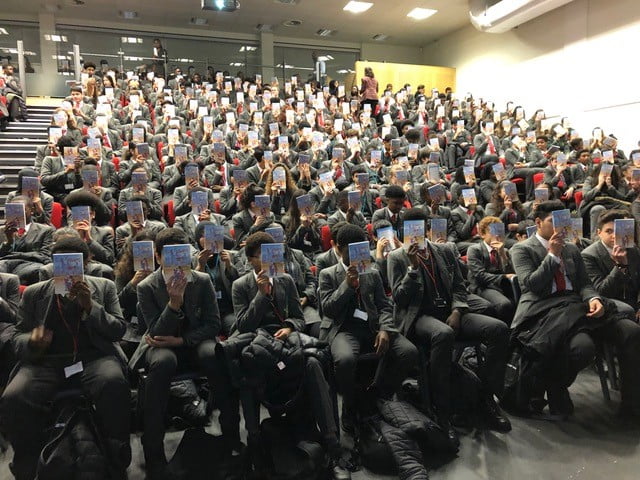
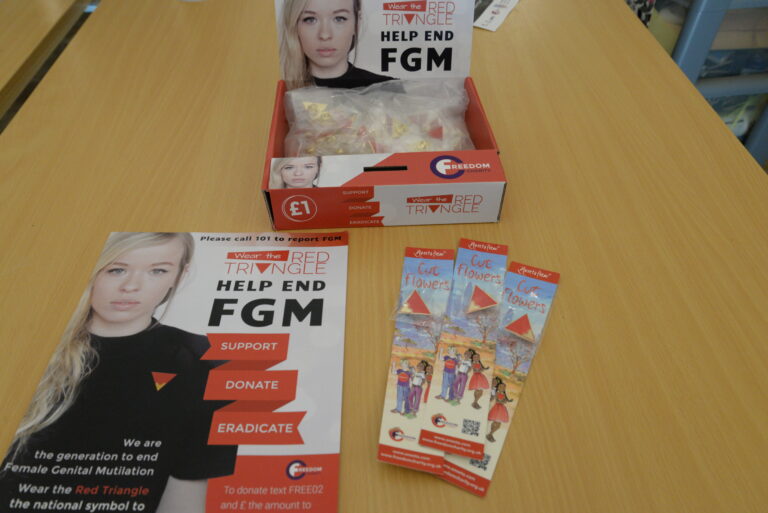
Freedom’s Not in My Name message gives boys and young men a place in the conversation about ending FGM. This is child protection: girls should be safe from cutting, and young people should know that silence and family pressure do not make abuse acceptable.
Freedom combines school visits with age-appropriate books, PSHE resources and practical safeguarding information. Pupils can ask questions without being asked to share their own experiences. Boys can challenge harmful attitudes, while adults retain responsibility for assessing risk and protecting children.
Every pupil should know who they can tell if they are worried about themselves, a sister or a friend. Staff must know how to listen, record concerns and follow the right safeguarding route. If someone discloses abuse, protecting the child takes priority over finishing the lesson.
Lessons, stories and activities
Start with the free KS3–KS4 lesson packs, then explore each book’s separate education website for teaching questions, discussions and activities. A designated safeguarding lead should review materials and plan how staff will respond if a pupil raises a concern.
Open the PSHE Association lesson packs ↗Freedom’s PSHE guide ↗
Forced marriage · Consent · Friendship
Explore the novel, teaching questions and classroom activities on its dedicated website.
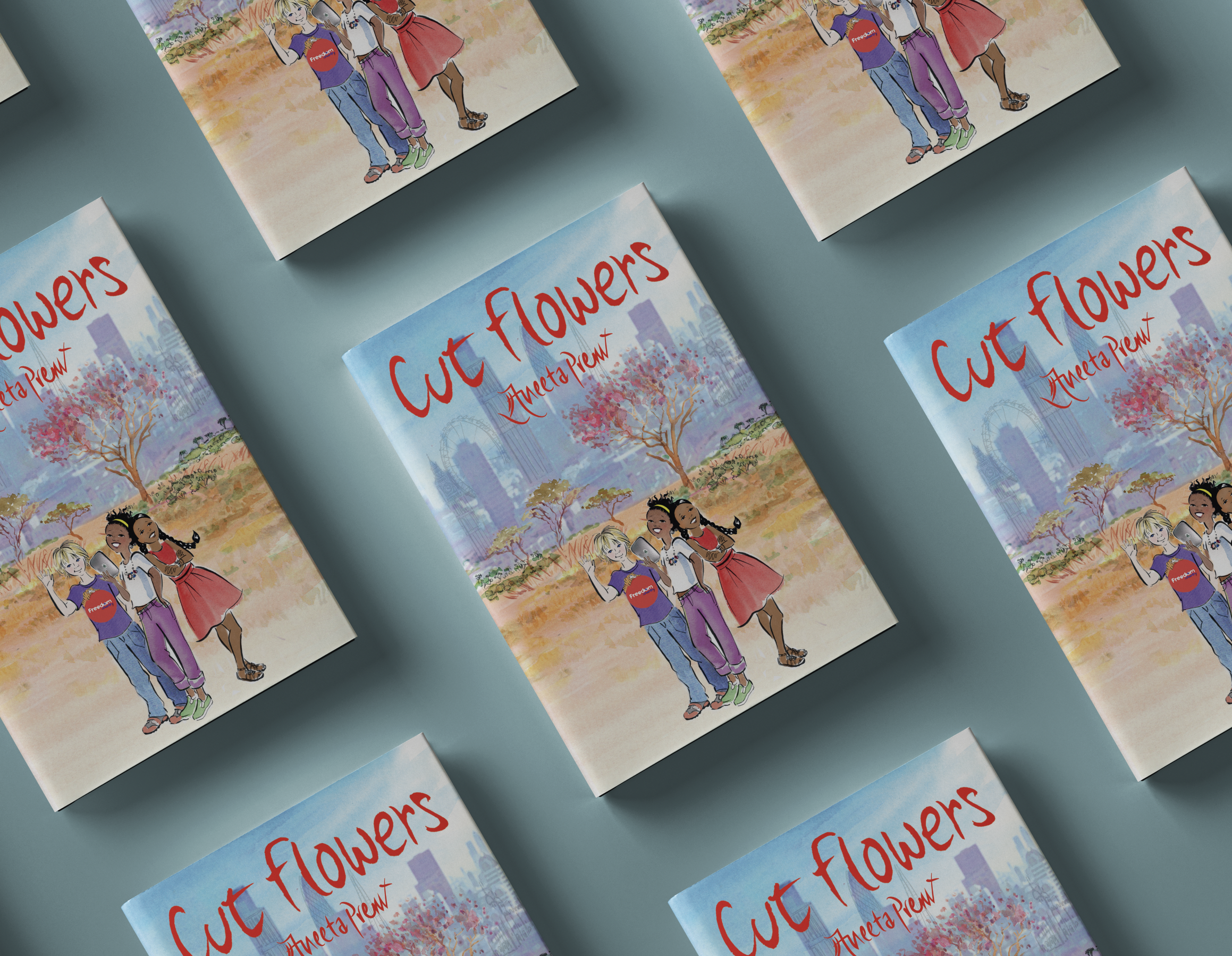
FGM · Rights · Safe support
Find the story, progressive learning activities and teacher guidance on its separate Education Hub.
The PSHE Association Quality Mark applies to the separate lesson packs, not to the novels or every activity on their websites.
Questions from schools
Activities for primary-age pupils need particular care. Speak to Freedom about the age group and the intended learning. The Key Stage 3–4 lesson packs should not be presented as ready-made primary materials.
No. The PSHE Association Quality Mark applies to Freedom’s separate forced-marriage and FGM lesson resources. But It’s Not Fair and Cut Flowers are safeguarding novels that schools should review for suitability.
Education works best when staff can respond to concerns and disclosures. Ask about a staff session alongside pupil teaching, particularly where multiple family members or overseas travel may be involved.
Safeguarding and education duties differ across the UK nations. Follow the legislation, curriculum guidance, professional duties and referral routes for your jurisdiction, and discuss those needs before planning a session.
Book a visit
A good session should increase understanding while strengthening the school’s ability to recognise and respond to safeguarding concerns afterwards.
Freedom Charity
Freedom Charity was co-founded in 2009 by Aneeta Prem MBE and Lord Toby Harris. The charity’s public record connects safeguarding, education, books, technology, campaigns, professional training, policy and routes to help. Where Freedom reports its own reach, it labels it as Freedom data; where an external source verifies a milestone, the source is linked.